Mold in a Charlotte Rental: What the Law Asks, and the Steps That Work
Nearly half of Charlotte's households rent. When mold shows up in a rental, the tenant lives with it, the landlord pays to fix it, and North Carolina law and the city's housing code decide how fast. This page covers both sides.
Mold in a Charlotte rental is usually the landlord's to fix when it comes from a leak or drainage problem: N.C. Gen. Stat. 42-42 requires fit, habitable premises and prompt repair of plumbing and HVAC after written notice. Charlotte's housing code covers the leak, not the mold itself. A city inspector requests an inspection within three business days of a complaint.
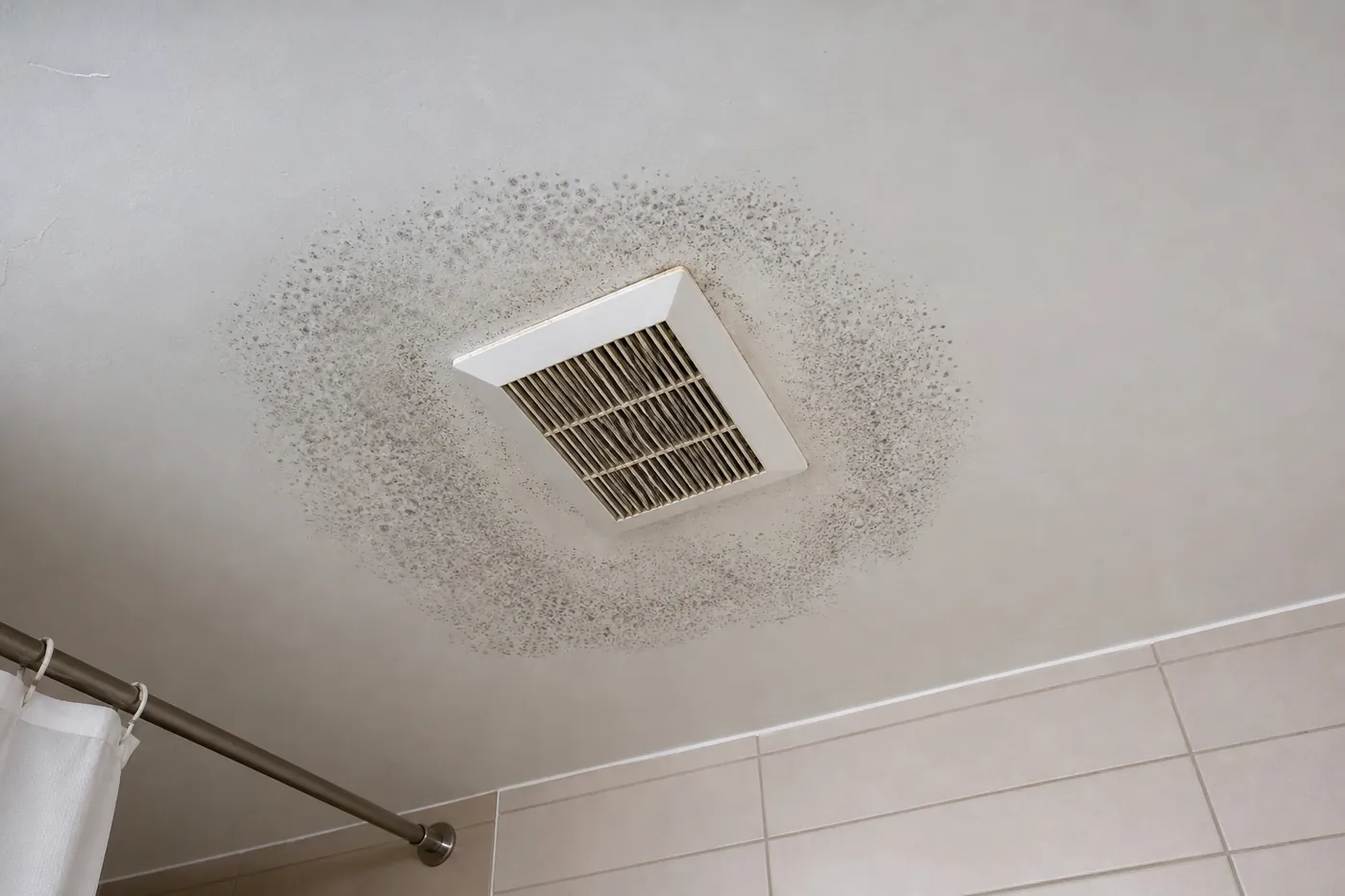
What North Carolina law asks of a landlord
G.S. 42-42 requires a landlord to comply with building and housing codes, to make all repairs needed to keep the premises fit and habitable, and to maintain and promptly repair electrical, plumbing, heating, ventilating and air conditioning, provided the tenant gives notice of needed repairs in writing, except in emergencies. It also lists imminently dangerous conditions the landlord must repair within a reasonable time after knowing about them, including excessive standing water, sewage or flooding from plumbing leaks or inadequate drainage that contributes to mold.
Steps for a tenant with mold in a Charlotte rental
- Write it down. Email or letter to the landlord or manager, with photos and the date, describing the mold and any leak, and keep copies.
- Keep it from spreading. Wipe small surface growth on hard surfaces, run bath fans, and report any leak immediately.
- Request a city inspection if nothing happens. The City of Charlotte says to contact the landlord first, then request a housing inspection through its 311 service if the issue is not resolved. Mold itself is not covered by the Minimum Housing Code, but leaks and moisture intrusion are.
- Know the retaliation rule. G.S. 42-37.1 protects a good-faith repair request to the landlord and a good-faith complaint to a government agency.
For anything beyond that, North Carolina's legal aid services or a private attorney can advise.
For Charlotte landlords and owners
Treat a mold report as a leak report. The cheapest fix is almost always the water source, and G.S. 42-42 puts plumbing and HVAC repairs on the landlord once notified in writing. Have the source found and fixed, the affected material removed and dried under containment, and keep the invoices and photos. A written scope and the post-work check protect you if the tenant or the city asks what was done. Prices are in the Charlotte mold removal cost guide.
When the mold is condensation, not a leak
Some rental mold comes from humidity: unvented bathrooms, drying laundry indoors, or a unit kept warm with windows shut. Charlotte's July dew point averages near 68°F (NOAA), so an air conditioner that is short-cycling or a bath fan that does not work can leave walls damp all summer. A working fan and air conditioner are the landlord's to maintain; using them is the tenant's part.
Questions homeowners ask
Can I stop paying rent because of mold in Charlotte?
Withholding rent carries legal risk in North Carolina, and G.S. 42-42's protections are tied to written notice and the landlord's chance to repair. Before withholding anything, put the repair request in writing, request a city housing inspection if needed, and get advice from legal aid or an attorney.
Describe the mold, and the home
A sentence or two helps: where you see or smell it, what got wet first, and whether you own the home or rent it. A specialist working in Charlotte gets the note and replies to you.